.jpg)
Graphic novels: The superheroes of school libraries
With Spider-Man: Brand New Day swinging into theaters this month, many students will be revisiting favorite heroes, discovering new characters, and diving headfirst into graphic storytelling both on screen and on the page.
For educators and literacy teams, this release serves as a reminder of something we’ve known for years: graphic novels continue to be some of the most sought-after titles in our collections.
What was once considered a niche format has firmly established itself as a staple of independent reading for many students. From superhero stories to fantasy adventures to memoirs, graphic novels continue to spark the attention of students and invite them into a reading experience that is engaging, accessible, and relevant.
A format that grows with readers
One of the most interesting things about graphic novels is their ability to evolve alongside students as they move through school. In elementary grades, many students are introduced to graphic storytelling through humor, adventure, and highly visual series that help build confidence and reading momentum.
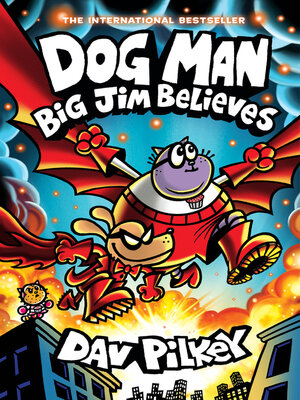
Big Jim Believes
by Dav Pilkey
By middle school, students often begin exploring longer narratives, fantasy worlds, memoirs, and increasingly sophisticated themes, still through graphic formats.
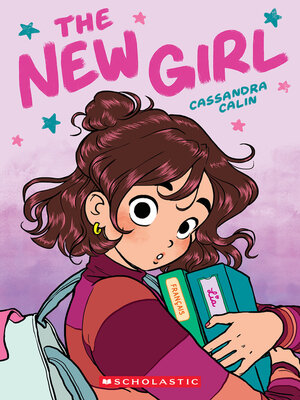
The New Girl
by Cassandra Calin
In high school, graphic novels frequently intersect with identity exploration, history, social issues, and literary study, creating opportunities for deeper analysis and discussion while still maintaining the accessibility and engagement students value.
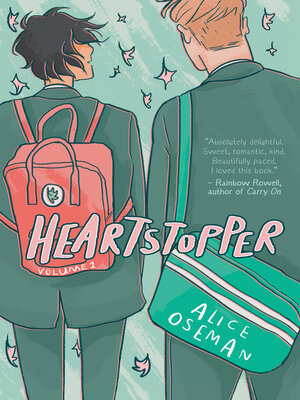
Heartstopper, Volume 1
by Alice Oseman
Rather than representing a temporary reading phase, graphic novels often become a format students continue returning to throughout their reading journey.
What last year's reading trends tell us
Last year's Sora data reinforces what many educators and librarians are already seeing firsthand: graphic storytelling continues to resonate with readers of all ages. Comics and graphic books ranked as the #1 ebook genre among juvenile and young adult readers and remained incredibly popular with adult readers as well, coming in as the second most-circulated ebook genre.
That popularity was reflected across grade bands, where many of the year's top titles featured graphic storytelling, including favorites like Dog Man, Five Nights at Freddy's, Avatar: The Last Airbender – The Promise, and Spider-Man: Great Power, Great Mayhem.
But perhaps the most interesting story isn't simply that students are checking out graphic novels — it's that they're choosing them. Again and again, graphic titles emerge as the books students seek out independently, recommend to friends, discuss with family, and eagerly return to for the next installment in a series. That kind of voluntary reading engagement is something every educator and librarian hopes to foster.
Using cultural moments to spark reading interest
Major movie releases often create natural opportunities to connect students with books. A student excited about Spider-Man may also be interested in superhero graphic novels, mythology-inspired adventures, science fiction stories, or illustrated narratives featuring themes of identity, responsibility, and belonging.
Moments like these can become powerful entry points for conversations about reading.
For your library, consider creating:
- "If you liked Spider-Man, try..." displays
- Graphic novel recommendation lists
- Superhero-themed reading challenges
- Cross-grade book displays featuring comics, manga, and graphic nonfiction
- Student recommendation walls featuring favorite graphic titles
These kinds of connections help students see reading not as a separate activity competing with their interests, but as an extension of them.
Some heroes wear capes. Others come with speech bubbles.
Perhaps the biggest lesson from years of circulation data is a simple one: students continue to embrace graphic novels because they offer compelling stories in formats that resonate with the way many young people experience narratives today.
And while superheroes may once again dominate movie screens this summer, they have quietly been helping students discover the joy of reading in school libraries all along.
Published Jul 28, 2026

Maddi Hebebrand
Maddi Hebebrand is an integrated marketing specialist for Sora. When she's not working or reading, she can be found playing with her pets, attending local concerts, or spending time with friends and family. While Maddi loves reading across genres, some of her favorite titles include the Dungeon Crawler Carl series by Matt Dinniman, Mary by Nat Cassidy and Witchcraft for Wayward Girls by Grady Hendrix.