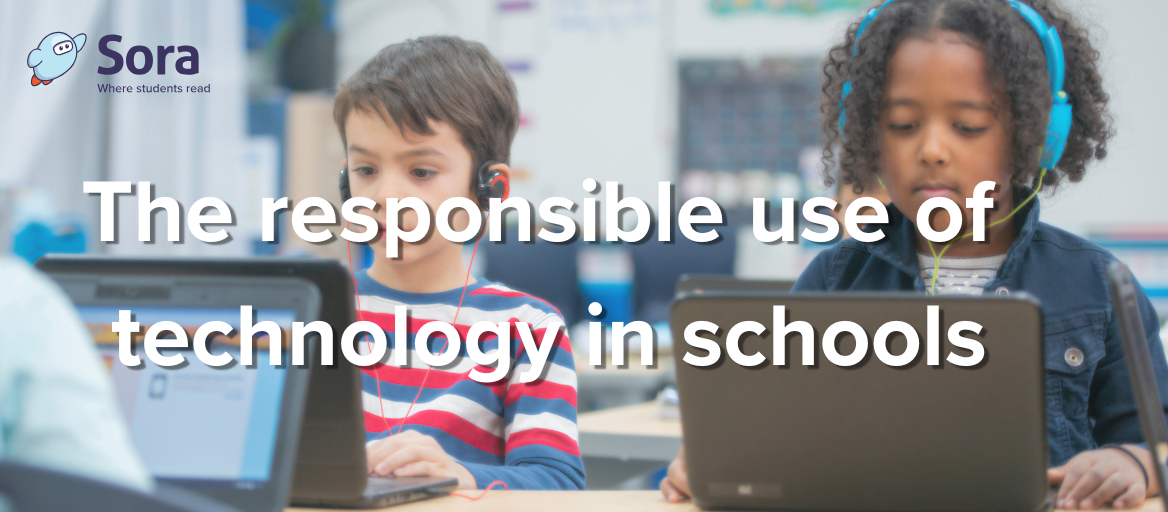
Federal guidance draws a line between scrolling and reading
Most conversations about kids and screens start from the same place: an adult watching a child scroll, worried about what all that time is doing to them. That worry is valid, and it's shaped a lot of school policy over the past few years — sometimes in ways that lump every screen into one category, whether it's a social feed or a classroom reading platform.
A recent letter from the U.S. Department of Education's Office of Elementary and Secondary Education pushes back on that flattening. Its central argument: recreational technology and education technology are not the same thing, and policy should stop treating them as if they are.
The core distinction: Purpose, not just screen time
The right question isn't whether students use technology, it's whether the technology improves learning. Screen time alone isn't a meaningful metric. A student watching short-form video for an hour and a student working through an audiobook for an hour are not doing the same thing, even if a device usage report can't tell them apart.
For administrators fielding parent concerns about screen time, this is a useful reframe to have on hand. A reading platform used with intention, such as building vocabulary, comprehension, and reading stamina, sits in a fundamentally different category than passive, recreational scrolling, even though both technically happen on a screen.
Explore our sister brand TeachingBooks for resources to deepen and extend existing practices.
Accessibility was named specifically — and reading tools are a direct example
One of the more concrete parts of the letter calls out assistive technology by name: text-to-speech, speech-to-text, and similar tools that let students with varying needs access grade-level content. That's presented as one of the clearest cases where "screen time" produces real, defensible educational value.
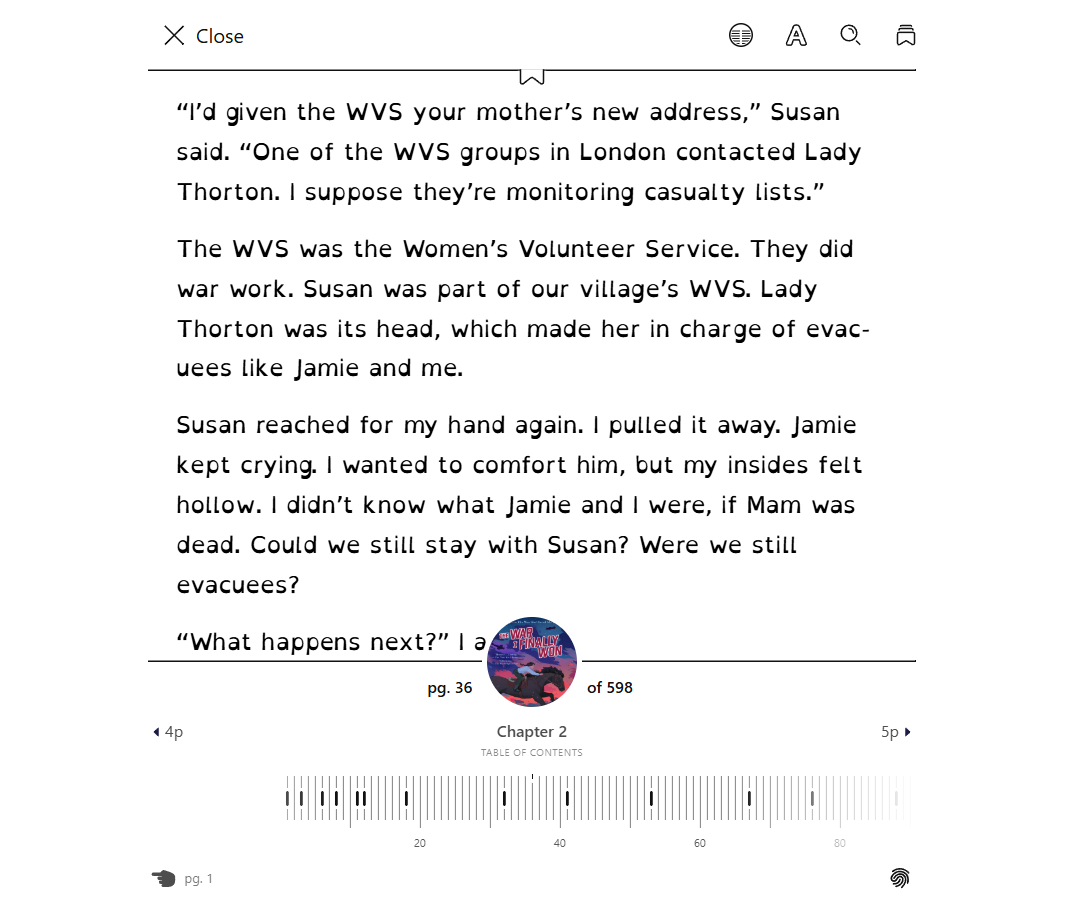
Audiobooks and read-along formats fall squarely into that category. For a student with dyslexia, an English language learner, or simply a developing reader building confidence, hearing a book while following along helps to build some of the same fluency- and comprehension-building work that print reading does — just through a different channel. If your district is fielding questions about why students are "just listening" instead of reading a physical book, this letter gives you federal-level language to point to: that's not a workaround, it's literacy instruction in a format some students need.
Evidence over adoption numbers
The letter is also direct about how ed tech should be evaluated going forward: not by usage metrics alone, but by demonstrated outcomes. It encourages states and districts to look for independent evaluation, transparent reporting on what a tool does and doesn't do, and a track record of improving based on real classroom data.
That's a reasonable bar, and it's one reading programs are generally well-positioned to meet. Reading volume — how much students read, in whatever format — has one of the more well-established links to literacy outcomes in education research. When evaluating or renewing a reading platform, it's worth asking the same questions the letter poses of any ed tech provider: What's the evidence this improves outcomes? What does implementation actually look like in a classroom? Is usage translating into measurable reading growth, or just time logged?
Looking for a good place to start? Explore Sora case studies!
What this means for the parent conversation
None of this erases parent concerns about screen time — those concerns are reasonable and deserve a real answer. What this guidance offers is a clearer way to give that answer. Instead of defending screen time as a category, administrators and teachers can point to something more specific: what the technology is for, what evidence supports it, and what outcome it's producing.
A student listening to an audiobook on the way to school, or logging into a reading app during independent reading time, isn't the same as a student on a social app at 11 p.m. Federal guidance is now saying that distinction out loud. Helping families and decision makers better understand that nuance can result in more balanced approaches to screen time, and preserve student access to tools that increase reading volume and create meaningful pathways to learning.
Published Sep 10, 2026

Maddi Hebebrand
Maddi Hebebrand is an integrated marketing specialist for Sora. When she's not working or reading, she can be found playing with her pets, attending local concerts, or spending time with friends and family. While Maddi loves reading across genres, some of her favorite titles include the Dungeon Crawler Carl series by Matt Dinniman, Mary by Nat Cassidy and Witchcraft for Wayward Girls by Grady Hendrix.