Building a collection where every student feels seen
Today kicks off Hispanic Heritage Month, honoring the histories, cultures, and contributions of Hispanic communities across the U.S. and beyond. For classrooms and libraries, it's also a natural moment to look at collections with fresh eyes: whose stories are on the shelf, and whose are missing?
Below is a starting list of standout titles by Hispanic authors, organized by grade band, along with a few ways to bring each one further into the classroom using resources from our sister brand, TeachingBooks.
Early Elementary

Dreamers
by Yuyi Morales
"Dreamers" by Yuyi Morales: A lyrical picture book about the author's own immigration story, celebrating the power of libraries and books to make a new place feel like home. A gentle, visually rich entry point for the youngest readers.
TeachingBooks tips to get started: Meet-the-Author Recording with Yuyi Morales

Mango, Abuela, and Me
by Meg Medina
"Mango, Abuela, and Me" by Meg Medina: A story about a young girl and her Spanish-speaking grandmother learning to bridge a language gap — warm, bilingual, and built for read-alouds.
TeachingBooks tips to get started: Meg Medina Audio Name Pronunciation
Upper Elementary

Esperanza Rising
by Pam Muñoz Ryan
"Esperanza Rising" by Pam Muñoz Ryan: A Pura Belpré Award–winning novel following a girl who moves from a life of wealth in Mexico to farm labor in the U.S. during the Great Depression. A classroom staple for a reason — accessible, emotional, and rich with discussion material on resilience and identity.
TeachingBooks tips to get started: Esperanza Rising book trailer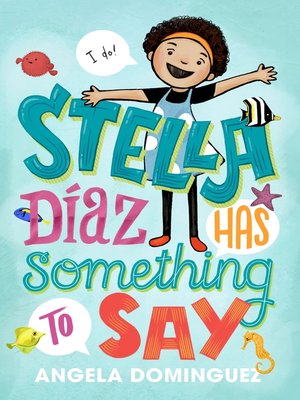
Stella Díaz Has Something to Say
by Angela Dominguez
"Stella Díaz Has Something to Say" by Angela Dominguez: A relatable early chapter book about a shy Mexican American girl navigating friendship and finding her voice — a great option for readers moving into longer chapter books.
TeachingBooks tips to get started: Cultural representation reflection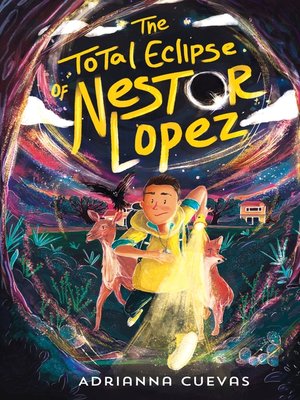
The Total Eclipse of Nestor Lopez
by Adrianna Cuevas
"The Total Eclipse of Nestor Lopez" by Adrianna Cuevas: A Cuban American boy with the secret ability to talk to animals must save his town — a fun, fantasy-forward option that still centers cultural identity.
TeachingBooks tips to get started: The Total Eclipse of Nestor Lopez book trailer
This is a great age to introduce TeachingBooks' author-pronunciation guides alongside a novel study — many students are hearing character and place names in Spanish for the first time, and getting the pronunciation right (with the author's own guidance, where available) reinforces respect for the language on the page.
Middle School

Merci Suárez Changes Gears
by Meg Medina
"Merci Suárez Changes Gears" by Meg Medina: A Newbery Medal winner following a Cuban American middle schooler navigating scholarship-kid status at a private school and a beloved grandfather's declining health. Widely taught and well-loved.
TeachingBooks tips to get started: Story map multi-leveled lesson
Efrén Divided
by Ernesto Cisneros
"Efrén Divided" by Ernesto Cisneros: A timely, moving story about a boy stepping up for his family after his mother is detained — handled with warmth and age-appropriate care.
TeachingBooks tips to get started: Meet-the-author recording with Ernesto Cisneros

Marcus Vega Doesn't Speak Spanish
by Pablo Cartaya
"Marcus Vega Doesn't Speak Spanish" by Pablo Cartaya: A story about identity, bilingualism, and belonging, following a Puerto Rican teen who travels to Puerto Rico and grapples with not speaking the language fluently.
TeachingBooks tips to get started: Marcus Vega Doesn't Speak Spanish book trailer
Middle school is where a TeachingBooks author interview can do real work — many of these authors speak directly about identity and bilingualism in their own words, giving students a bridge between the fictional character's experience and the real author behind it. A short video clip before a discussion or literature circle can deepen engagement well beyond the text alone.
High School

The Poet X
by Elizabeth Acevedo
"The Poet X" by Elizabeth Acevedo: A National Book Award–winning novel in verse about a Dominican American teen finding her voice through slam poetry. A powerful choice for units on voice, identity, and form.
TeachingBooks tips to get started: Cultural Representation Reflection

Yo no soy tu perfecta hija mexicana
by Erika L. Sánchez
"I Am Not Your Perfect Mexican Daughter" by Erika L. Sánchez: A sharp, funny, and emotional novel about grief, expectation, and growing up Mexican American in Chicago.
TeachingBooks tips to get started: Meet-the-Author Recording with Erika L. Sánchez

The House on Mango Street
by Sandra Cisneros
"The House on Mango Street" by Sandra Cisneros: A modern classic told in vignettes, following a young girl coming of age in a Chicago neighborhood — widely taught, and still resonant decades after publication.
TeachingBooks tips to get started: Story Map Multi-Leveled Lesson
For high schoolers, TeachingBooks discussion guides can help anchor a full unit — particularly useful for pairing a novel like "The House on Mango Street" with supplementary background on the author's life and the historical context she's writing from.
Building the habit, not just the list
However you use this list — a single read-aloud, a full literature circle, or a broader look at your collection's range of voices — the goal isn't a one-month spotlight. Books like these hold up as much in January as they do in September.
If you're looking to grow your collection this month, select titles are currently up to 50% off through September 30 as part of our Hispanic Heritage Month promotion, alongside thousands of other featured titles from bestselling fiction to insightful nonfiction across children's, teen, and adult collections.
Published Sep 15, 2026
Maddi Hebebrand
Maddi Hebebrand is an integrated marketing specialist for Sora. When she's not working or reading, she can be found playing with her pets, attending local concerts, or spending time with friends and family. While Maddi loves reading across genres, some of her favorite titles include the Dungeon Crawler Carl series by Matt Dinniman, Mary by Nat Cassidy and Witchcraft for Wayward Girls by Grady Hendrix.