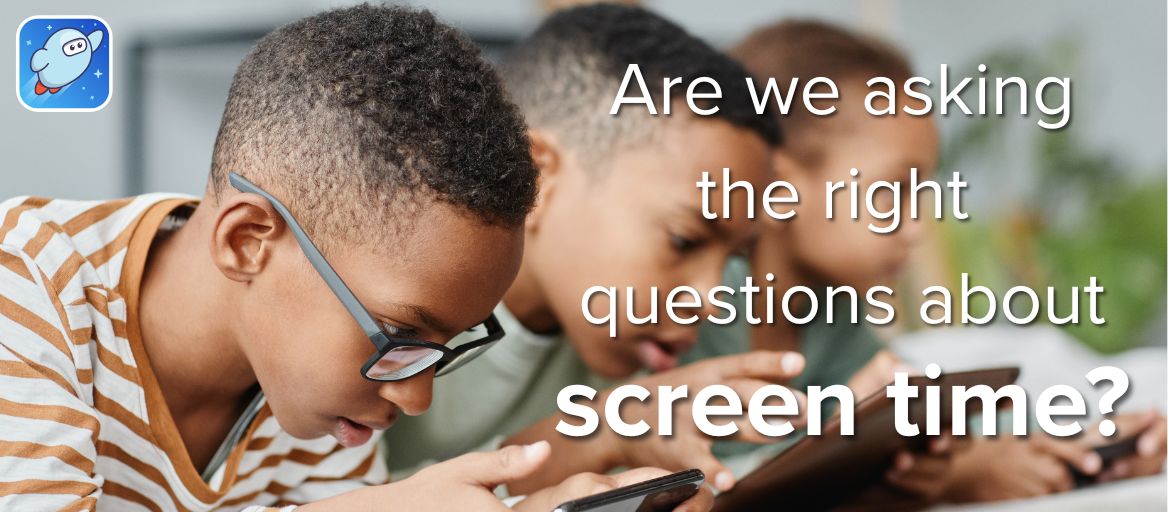
Beyond screen time: Teaching students how to read in a digital world
How much technology is too much? It's a question that can quickly turn into a heated debate about screen time limits, internet safety and “good” versus “bad”. But recent research from the National Parents Union suggests that the picture is a bit more complicated than that.
According to the survey, three-quarters of parents say their child’s school currently uses computers and tablets about the right amount. At the same time, an almost identical 75% say schools should set a maximum daily limit for screen time used for learning purposes.
In other words, parents aren’t necessarily asking schools to choose between tech and traditional learning – they're asking a more targeted question:
What technology can do for students
A screen can be a lot of things.
It can be where a student watches a video, searches for an answer, collaborates on a project, plays a game, reads a novel, or listens to an audiobook. Those experiences may all happen on the same device, but they aren't asking students to do the same thing.
For literacy in particular, the question isn't whether students are looking at a screen. It's what they're doing with the text in front of them.
Reading a novel asks students to follow a story, remember what came before, make predictions, encounter unfamiliar vocabulary, and imagine something that isn't directly in front of them. A digital reading experience can support those same habits while giving students additional ways to interact with the text.
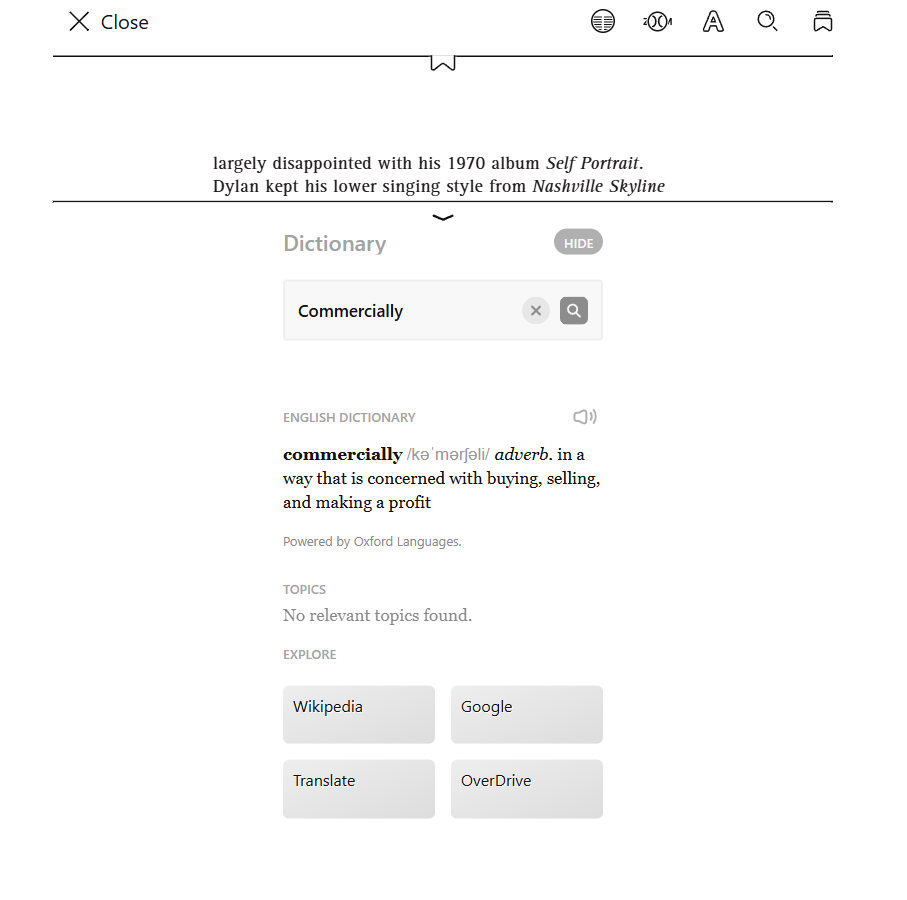
In Sora, for example, students can highlight passages, add notes, define unfamiliar words, and use other tools to engage with what they're reading.
The technology isn't the learning strategy. It's what students do with it that matters.
Purposeful technology looks different in every school
There isn't one right balance of technology for every classroom or every student.
A teacher might use a digital book to support an independent reading activity. A librarian might introduce students to an audiobook or ebook alongside the print collection. A district leader might look at whether the technology available to students is connected to the instructional goals already in place. In each case, the device is secondary to the purpose.
That's perhaps the most useful way to approach the screen time conversation. Rather than treating every minute on a device as interchangeable, educators can consider what students are reading, creating, practicing, or learning during that time. And sometimes, technology simply makes a reading experience possible in a way it couldn't be otherwise.
A student can pick up an ebook on the way home. Listen to a story while traveling between activities. Look up an unfamiliar word without leaving the page. Return to a book whenever they have a few minutes to read. Those aren't necessarily reasons to use technology more. They're reasons to be thoughtful about when technology makes sense.
A better question to ask
The conversation around technology in schools probably isn't going away. Nor should it.
Technology is already part of how students learn, communicate, and encounter information. The more useful conversation may be about how schools can make those experiences purposeful.
So instead of asking only: How much screen time are students getting?
We might also ask: What are students doing with it—and is it helping them become better learners and readers?
Published Aug 25, 2026

Maddi Hebebrand
Maddi Hebebrand is an integrated marketing specialist for Sora. When she's not working or reading, she can be found playing with her pets, attending local concerts, or spending time with friends and family. While Maddi loves reading across genres, some of her favorite titles include the Dungeon Crawler Carl series by Matt Dinniman, Mary by Nat Cassidy and Witchcraft for Wayward Girls by Grady Hendrix.