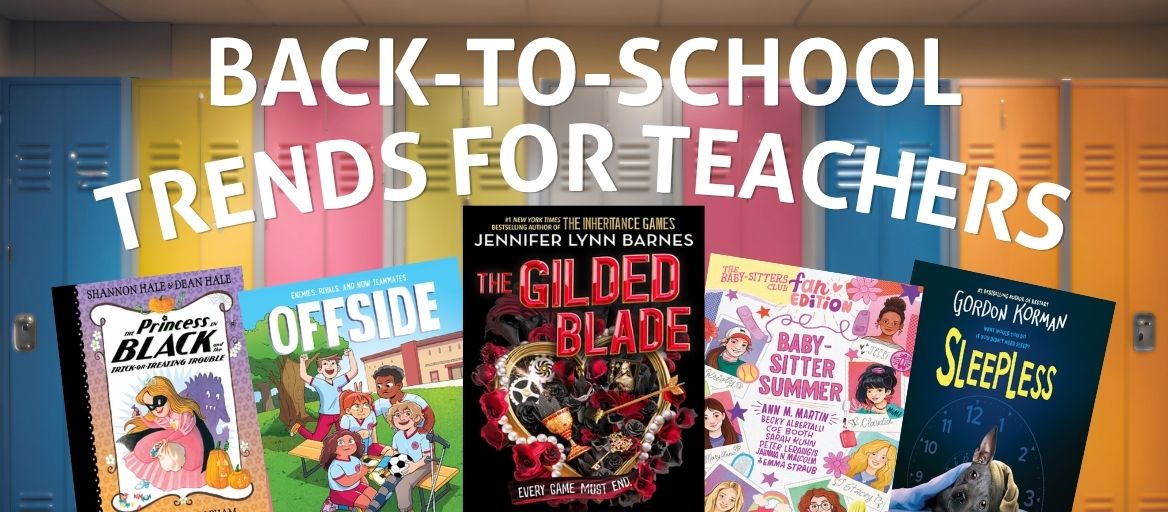
Before the year begins: Five trends every educator should know
Back-to-school planning often means thinking about schedules, curriculum, and classroom routines. But before students walk through the doors, literacy teams have another opportunity: looking back at what students read last year—and considering what those patterns might mean for the year ahead.
The 2025 Sora Annual Report, based on anonymized reading activity from more than 4.7 million students worldwide, offers a look at how students engaged with digital reading throughout the previous school year. While every district has unique goals, these trends can help literacy teams start the new year with more intentional conversations about collections, access, engagement, and student choice.
Here are five questions worth bringing to the table.
1. Are we giving students enough ways to access books?
If the data tells us anything, it's that students continue to read in different ways.
Last year, ebooks accounted for 85% of worldwide digital checkouts, while audiobooks continued to grow steadily. Rather than asking which format is "best," schools may benefit from asking whether students have access to the format—or formats—that best support them.
Ask your team:
- Do students know audiobooks are available?
- Are required titles offered in multiple formats?
- Are accessibility needs reflected in collection decisions?
The goal isn't to replace one format with another. It's to give students more ways to engage with reading.
2. Are we measuring engagement—or just circulation?
Book checkouts are valuable, but they tell only part of the story. Students logged 349.6 million reading sessions during the school year and averaged 2.5 million reading hours each month. Many also interacted with texts by defining unfamiliar vocabulary, setting reading goals, and using annotations.
Those behaviors suggest that meaningful reading engagement extends beyond borrowing a book. It can also mean setting goals, revisiting texts over multiple sessions, exploring unfamiliar vocabulary, and using tools that help students make sense of what they're reading.
Ask your team:
- How do we encourage students to actively engage with texts?
- What opportunities do students have to reflect on their reading?
- How do we recognize reading progress throughout the year?
3. Does our collection reflect both curriculum and student interests?
Students continued reading classroom classics, but they also gravitated toward graphic novels, fantasy, biographies, humor, and popular series.
That balance is worth considering as schools review collections for the coming year. A strong collection doesn't force a choice between academic texts and high-interest books. It recognizes that both can play a role in developing confident, motivated readers.
Ask your team:
- Do students see books that reflect their interests?
- Are popular genres well represented?
- Does the collection support both classroom instruction and independent reading?
The right collection isn't just aligned to what students need to read. It also gives them reasons to want to read.
4. How are we helping students build consistent reading habits?
Reading habits develop over time—and consistency matters.
Last year, more than 628,000 students set personal reading goals, with many choosing a goal of 20 minutes per day. Millions also earned reading achievements as they developed consistent reading routines.
Whether through classroom routines, library initiatives, or schoolwide programs, the question is how to make reading a regular part of students' lives—not simply something they do when an assignment requires it.
Ask your team:
- When do students have dedicated time to read?
- How do we encourage reading beyond required assignments?
- How do students track and celebrate progress?
5. Are students aware of the tools available to support them?
Digital reading platforms offer more than books.
Features such as text-to-speech, adjustable display settings, built-in dictionaries, multilingual collections, and private reading experiences can help students access texts in ways that meet their individual needs.
But these tools only make a difference when students know they exist and understand how to use them.
Ask your team:
- Are teachers modeling accessibility features?
- Do students know how to customize their reading experience?
- Are multilingual resources being promoted to students and families?
Sometimes, the biggest opportunity isn't adding another resource. It's making sure students know how to use the ones they already have.
A conversation worth having
No single report can capture every classroom, school, or student. But when millions of reading experiences point to similar patterns, they offer an opportunity to pause and reflect.
As your literacy team prepares for the year ahead, use these questions to spark conversations about collections, instruction, accessibility, and student engagement. The answers may lead to big changes—or small ones. Either way, taking the time to look at what students are reading and how they're engaging with it can help schools make more informed decisions about what's next. Because sometimes, the best way to plan for the year ahead is to first take a closer look at the one that just ended.
Published Aug 04, 2026
Last Updated Jul 21, 2026

Maddi Hebebrand
Maddi Hebebrand is an integrated marketing specialist for Sora. When she's not working or reading, she can be found playing with her pets, attending local concerts, or spending time with friends and family. While Maddi loves reading across genres, some of her favorite titles include the Dungeon Crawler Carl series by Matt Dinniman, Mary by Nat Cassidy and Witchcraft for Wayward Girls by Grady Hendrix.