Audiobooks aren’t “cheating”, they’re access: Why listening still builds literacy, learning, and connection
June is National Audiobook Month, making it a great time for schools and districts to rethink one of the most common misconceptions in education: that listening somehow “doesn’t count” as reading.
For many students, audiobooks help build vocabulary, comprehension, and confidence while keeping them connected to stories and learning. Audiobooks create additional ways to experience books meaningfully for students who are developing foundational reading skills, navigating learning differences, or simply trying to stay engaged during class or summer break.
More educators and families are recognizing that literacy includes more than decoding words on a page. Understanding, interpreting, discussing, and connecting with ideas all matter too. As digital reading platforms continue expanding access to eBooks and audiobooks, schools have an opportunity to support literacy in ways that are flexible, inclusive, and aligned with how many students naturally learn best.
Why listening supports literacy development and different learning styles
Audiobooks support many of the same literacy skills students build through print reading, as documented in the National Literacy Trust’s review of the literature, including:
Vocabulary development
Background knowledge
Listening comprehension
Fluency and pronunciation
Critical thinking
Students listening to audiobooks still engage with plot, themes, informational content, and complex ideas. In many cases, listening allows students to focus more fully on comprehension, especially when decoding remains challenging. Audiobooks also give students access to books that may be above their independent reading level, exposing them to richer language and broader topics.
For educators working to keep students engaged with reading, audiobooks provide another pathway into literacy experiences that build confidence and curiosity.
Different students process information differently, and literacy access should reflect that reality. Audiobooks support multimodal learning by combining auditory processing with visual engagement, especially when paired with eBooks or read-along features. Many students benefit from hearing and seeing text simultaneously, which can strengthen focus and comprehension.
Digital reading tools often include supports such as adjustable playback speed, dyslexia-friendly fonts, highlighted text tracking, and built-in dictionaries or translation tools. Together, these features allow students to personalize reading experiences based on their learning needs and preferences.
Audiobooks can be especially valuable for students with learning differences (such as dyslexia, which impacts an estimated 20% of the U.S. population), emerging bilingual learners, and students who may struggle to sustain attention with traditional print-only formats. At the same time, many proficient readers simply enjoy listening. Providing audiobook access acknowledges that students engage with stories and information in different ways.
Helping K–3 readers below grade level
Early elementary years are critical for literacy development, yet many schools continue working to address reading gaps among younger learners.
Audiobooks can support K–3 students by helping them:
Hear fluent reading modeled aloud
Connect spoken and written language
Stay engaged with stories while developing decoding skills
Read-along formats, where students listen while following highlighted text, can be especially effective because students hear pacing and pronunciation while visually tracking words on the screen. These tools reinforce foundational literacy skills while helping students participate more fully in reading experiences alongside their peers.
Audiobooks can also help preserve reading identity. Students who struggle with decoding often disengage from reading over time, even when they are thoughtful, capable learners. Continued access to stories and classroom discussions helps students stay connected to literacy while foundational skills continue developing.
Family literacy and shared listening
Audiobooks also create valuable opportunities for family literacy, especially during summer when routines shift and independent reading habits can become less consistent.
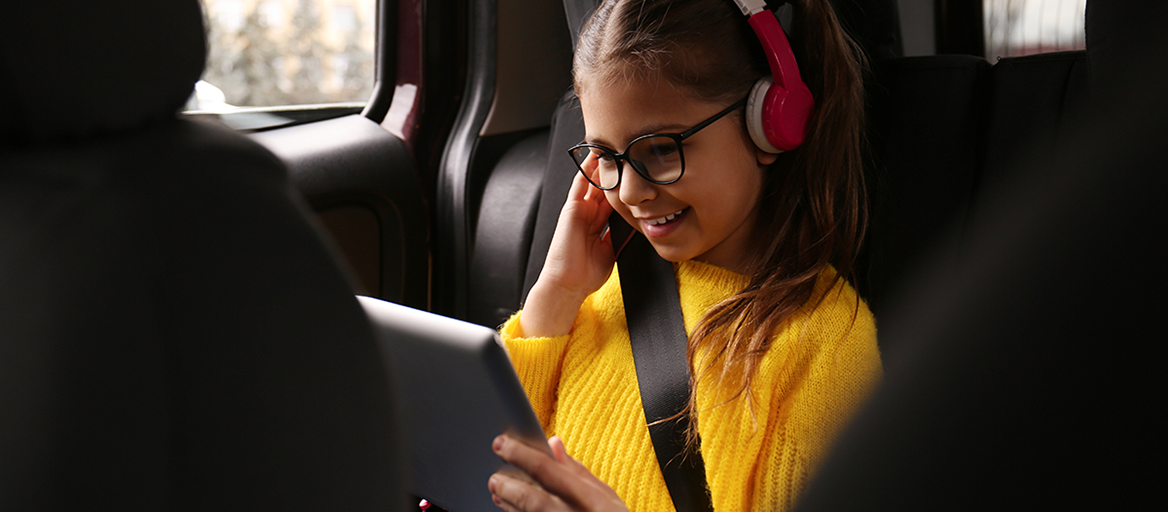
Shared listening can happen during car rides, while cooking or doing chores, before bedtime, or during travel. For busy families, audiobooks make literacy experiences easier to fit into everyday routines while still encouraging conversations about stories, characters, and ideas.
For multilingual families, audiobooks may also support language exposure and comprehension in flexible ways. Multilingual learners make up a growing share of the K–12 student population. According to the National Center for Education Statistics, approximately 10.6% of U.S. public school students were English language learners as of the 2021–22 school year. Caregivers can participate more comfortably regardless of reading level, schedule, or language background, helping literacy feel more accessible for the entire household.
According to Sora checkout data, popular non-English audiobook checkouts include Spanish editions of titles like Coraline, Coco, and Don’t Let the Pigeon Drive the Bus, as well as Russian-language titles for older students. Demand for multilingual audiobooks reflects the growing need for inclusive collections that meet students where they are.
Audiobook engagement continues to grow
Student demand for audiobooks continues to grow across grade levels. During the 2024–2025 school year, audiobooks accounted for 11% of Sora’s 59.6 million total checkouts, reflecting how strongly students continue embracing digital listening formats.
Elementary and middle school students gravitated toward highly engaging, fast-paced favorites like The Lightning Thief by by Rick Riordan, multiple titles by Jeff Kinney, and New Kid by Jerry Craft.
Junior high listeners checked out popular series and suspense-driven titles, including The Summer I Turned Pretty and The Maze Runner.
At the high school level, students balanced assigned reading with personal interest titles, with popular audiobooks including To Kill a Mockingbird, 1984, and Ready Player One.
The variety across grade levels highlights something important: students are listening to books for many different reasons — entertainment, coursework, exploration, comfort, and convenience. Audiobooks can help keep reading connected to students’ daily lives, whether they are traveling, working summer jobs, attending camps, or simply spending more time away from school routines.
Growing audiobook engagement during summer reading
Schools and districts continue to see strong year-over-year growth in audiobook checkouts (consistent with sales growth reported by the Audio Publishers Association), a reflection of changing student habits, increasing comfort with digital reading, and access to digital formats.
Audiobooks are a great way to keep reading connected to students’ daily lives during months when literacy engagement often declines. For districts focused on minimizing summer learning loss, expanding audiobook access can help students maintain reading routines and stay connected to books throughout the break.
National Audiobook Month offers schools and districts an opportunity to broaden how they think about literacy access and student engagement — which can impact learning throughout the whole school year. Audiobooks help students stay connected to stories, ideas, and learning experiences while supporting vocabulary growth, comprehension, and independent exploration.
Promote audiobook access in your school or district this summer and help ensure every student has meaningful opportunities to connect with books wherever they are.
Published Jun 29, 2026

Discover Sora blog team
The Discover Sora blog editorial team brings you the best in student reading and engagement. With classroom tool tips, reading trends, Sora success stories, and much more, there’s something for everyone.