10 years of How to Catch: A decade of imagination and reading
What would you do if you had to catch a leprechaun? Or a dinosaur? Maybe a mermaid or a dragon? For the past 10 years, the How to Catch series has invited young readers to answer those questions—and come up with a few creative solutions of their own.
The series is celebrating its 10th anniversary this year, with 35 titles featuring everything from mythical creatures and holiday favorites to dinosaurs, class pets, and even a babysaurus. And while the books are built around plenty of imagination, they also offer opportunities to take reading beyond the page.
A familiar question with plenty of possibilities
At the heart of every How to Catch book is a simple premise: figure out how to catch the character at the center of the story. That question gives young readers a reason to make predictions, think creatively, and consider whether a particular trap might actually work.
For educators, that can make the series a natural starting point for activities that extend beyond reading. What materials would students use to build their own trap? How would they design it? What could they change if their first attempt didn't work? A read-aloud can quickly become a lesson in problem-solving, writing, design, or engineering.
And with titles spanning different seasons, holidays, settings, and creatures, there are plenty of ways to find a book that connects with what's already happening in the classroom.
35 titles to explore
The How to Catch collection has grown considerably since the first book was published 10 years ago. Along the way, readers have met characters ranging from a leprechaun and elf to a snowman, turkey, witch, reindeer, and groundhog.
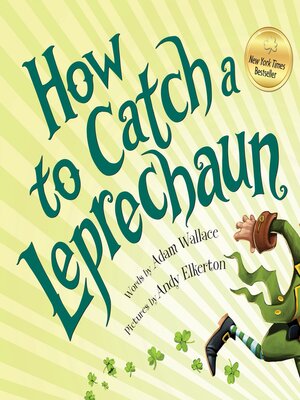
How to Catch a Leprechaun
by Adam Wallace
You've been planning night and day, and finally you've created the perfect trap with shamrocks, pots of gold, and rainbows galore! Now all you need to do is wait. Is this the year you'll finally catch the leprechaun? Start a St. Patrick's Day tradition with this fun and lively children's picture book and get inspired to build leprechaun traps of your own at home or in the classroom! Laugh along in this zany story for kids that blends STEAM concepts with hilarious rhymes and vibrant illustrations!
How to catch a leprechaun?
It's tougher than you think!
He'll turn your whole house upside down.
He's quicker than a wink!
The series also ventures into the world of mythical creatures with titles like How to Catch a Mermaid, How to Catch a Dragon, and How to Catch a Unicorn, while books such as How to Catch a Class Pet and How to Catch a Babysaurus put a more unexpected spin on the concept.
That variety can be useful when building a classroom collection. A student who isn't immediately drawn to one title may find something more appealing in another—and the recurring format can give readers a familiar entry point into each new story.
Reading can be the beginning, not the end
The How to Catch books also come with a collection of free resources designed to extend the reading experience. Activity kits, scavenger hunts, classroom starter materials, and event resources give educators additional ways to use the books with students.
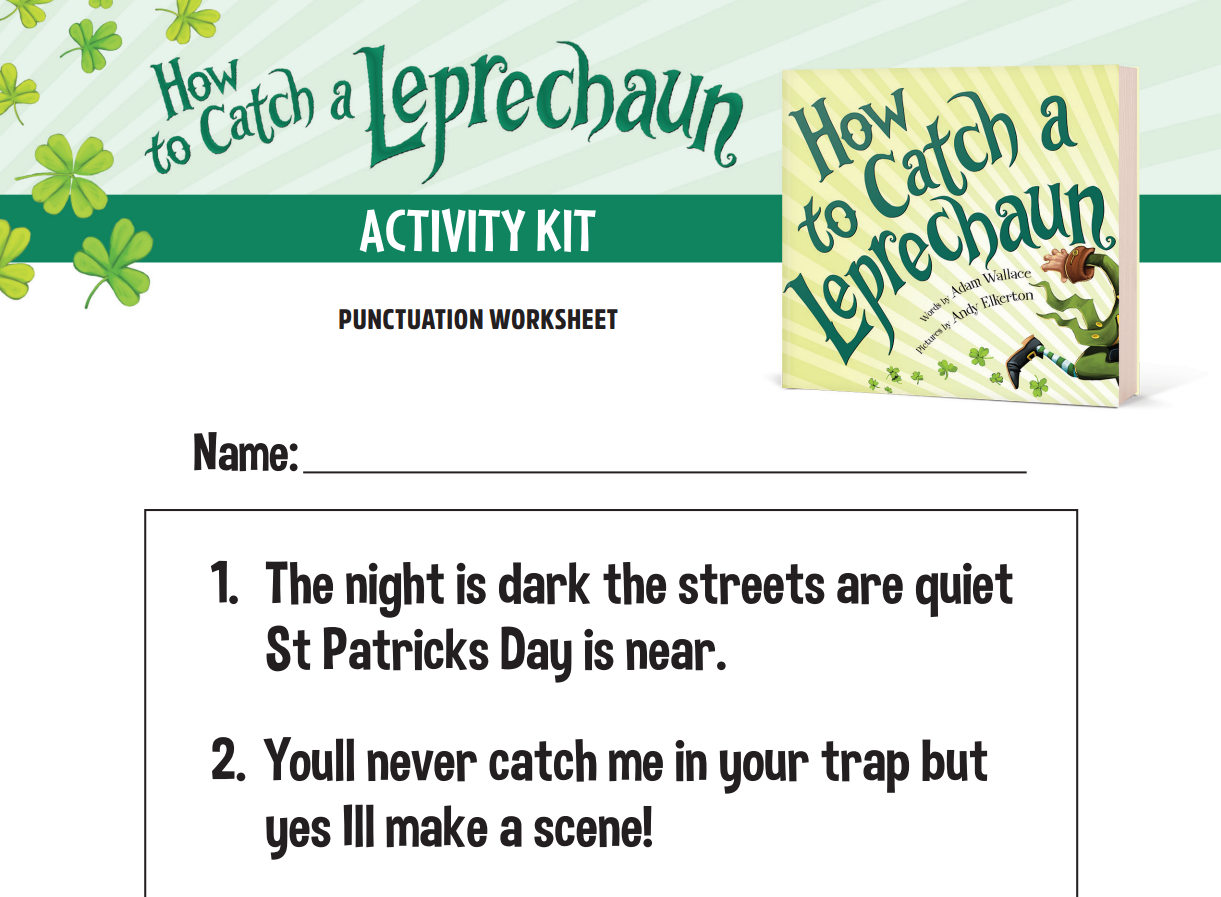
That connection between reading and doing is particularly relevant for younger readers. A story can provide the starting point, while an activity gives students another way to engage with its characters, ideas, and problems.
Celebrating 10 years with Sora
The 10th anniversary is also an opportunity to introduce a new generation of readers to the series. With How to Catch titles available through Sora, educators can add these imaginative stories to their digital collections and give students another way to access them. Check out our Instagram now through September 8, 2026 for a chance to win the complete ebook collection.
Whether a student is trying to figure out how to catch a dragon, designing a trap for a class pet, or simply enjoying a familiar favorite, the series offers plenty of opportunities to read, imagine, and create.
Ten years and 35 titles later, the question remains the same: How would you catch it?
Published Sep 01, 2026

Maddi Hebebrand
Maddi Hebebrand is an integrated marketing specialist for Sora. When she's not working or reading, she can be found playing with her pets, attending local concerts, or spending time with friends and family. While Maddi loves reading across genres, some of her favorite titles include the Dungeon Crawler Carl series by Matt Dinniman, Mary by Nat Cassidy and Witchcraft for Wayward Girls by Grady Hendrix.